
What Makes Standard Wallets Unsuitable for High Value Crypto Portfolios
Holding large amounts of digital assets requires more than a basic software wallet. Standard hot wallets connect to the internet constantly. This opens the door for hackers, malware, and phishing attacks. For high value crypto portfolios, these risks become unmanageable. Securing Large Crypto Holdings: Why You Need a Ledger Wallet starts with understanding the core weakness of online storage. Hot wallets store private keys on your computer or phone. If that device becomes infected, your funds vanish instantly.
Using an exchange wallet for big holdings creates another problem. Exchanges are prime targets for cybercriminals. History shows many platforms have lost user funds through hacks or internal failures. Your coins are not truly yours if a third party controls the keys. This is where cold storage for high-value crypto becomes necessary. By moving assets offline, you remove the primary attack vector entirely.
How Does a Hardware Wallet Isolate Your Private Keys From Threats
Hardware wallets store private keys inside a secure chip. This chip never exposes the keys to your internet connected device. Even if your computer has a virus, the attacker cannot steal your seed phrase. Hardware wallet security features rely on physical isolation. The device signs transactions internally. All data sent to the screen is verified by pressing physical buttons.
Consider what happens during a typical malware infection. Keyloggers capture every keystroke. Screen recorders spy on your activity. With a standard software wallet, these tools can read your private keys directly. With a Ledger device, the keys remain on the chip. Attackers see only encrypted data they cannot use. Institutional hardware wallet grade security uses this same logic. Bank grade chips protect the most sensitive data from remote attacks.
Physical Verification of Each Transaction
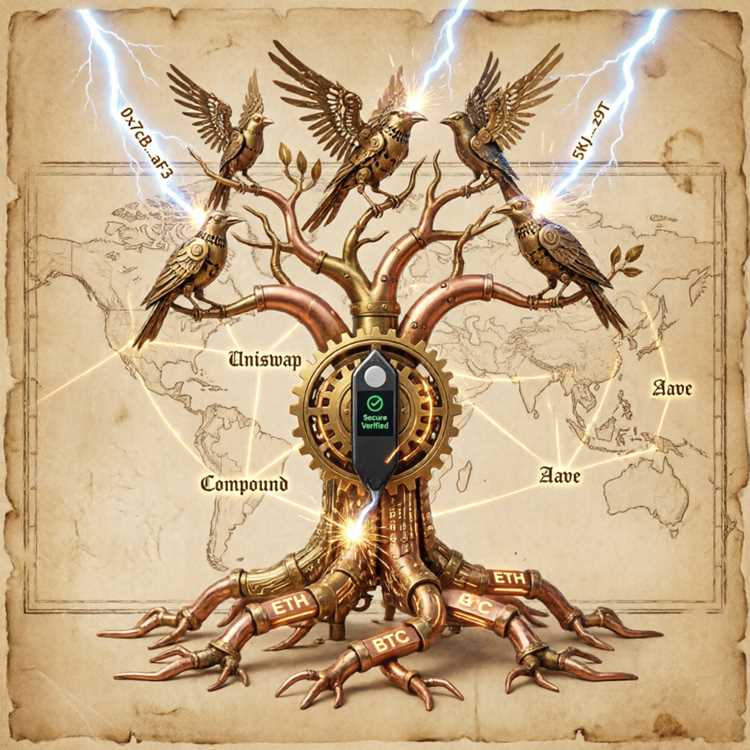
Every outgoing transaction must be confirmed on the device screen. You check the amount, address, and network fees. This prevents malware from changing the destination address. Without this step, a hacker could redirect your payment to their own wallet. Ledger phishing alert systems add another layer of defense. The device warns you about suspicious or unusual transaction patterns.
Secure Element Chip Protection
Ledger uses certified secure element chips similar to passports. These chips resist physical tampering and side channel attacks. Attempting to extract data from the chip destroys it. This provides cold storage for high-value crypto that no software can bypass. The certified hardware meets government security standards. Financial institutions trust these chips for securing billions of dollars.
Managing a Diverse Portfolio With a Single Device
Large crypto holdings rarely stay as a single coin. You likely own Bitcoin, Ethereum, stablecoins, and various altcoins. Carrying separate devices for each blockchain is impractical. Ledger multi-currency wallet support covers more than 5,500 assets across multiple blockchains. This means you manage everything from one interface. No need to install separate software for each cryptocurrency.
The Ledger Live app acts as your central dashboard. Download Ledger Live to see balances, track portfolio performance, and initiate transfers. Portfolio management becomes simple and organized. You can view transaction histories for every asset without switching devices.
Supported Assets by Category
- Major coins: Bitcoin, Ethereum, Litecoin, Bitcoin Cash
- EVM chains: Polygon, Arbitrum, Optimism, Avalanche C Chain
- Solana ecosystem: Solana, Serum, Raydium tokens
- Stablecoins: USDC, USDT, DAI, BUSD
- NFTs: ERC 721, ERC 1155 tokens
Native Staking and DeFi Access
Holding large amounts does not mean missing yield opportunities. Ledger supports staking for Proof of Stake coins like Ethereum, Tezos, and Polkadot. You earn rewards while keeping your assets in cold storage for high-value crypto. DeFi lending and swapping also work through the Ledger interface. Your private keys never leave the device during these operations. This balances security with active portfolio growth.
Step by Step Guide to Setting Up Your Ledger Wallet for Large Portfolios
Setting up a Ledger device correctly is essential. Mistakes at this stage can lead to permanent loss of funds. Follow this exact process.
- Unbox the device and check for tampering. Verify the holographic seal is intact.
- Connect the device to your computer using the included USB cable.
- Install Ledger Live from the official website only. Never use third party downloads.
- Choose "Initialize a new device" when prompted. This generates your seed phrase.
- Write down the 24 words on the provided recovery sheets. Store them in a safe location.
- Use the device interface to install the Bitcoin app and Ethereum app.
- Add accounts in Ledger Live for each asset you plan to store.
- Test the setup by sending a small amount of cryptocurrency first.
Each step protects against specific risks. Writing down the seed phrase offline prevents digital theft. Testing with a small amount confirms your addresses are correct. Ledger mobile wallet setup follows the same process but uses your phone as the interface. The hardware device remains the core of security regardless of which companion app you use.
Accessories and Add Ons for Professional Crypto Management
Managing large holdings often requires additional hardware for backup and mobility. The table below shows the key accessories and their uses.
| Accessory | Price Range | Compatibility | Use Case |
|---|---|---|---|
| Ledger Nano X | $149 | All coins, Bluetooth | Daily use with mobile device |
| Ledger Nano S Plus | $79 | All coins, USB only | Backup device for home safe |
| Ledger Stax | $279 | All coins, E Ink display | Professional portfolio overview |
| Cryptosteel Capsule | $89 | Seed phrase backup | Fire and flood resistant storage |
| Billfodder Steel Washer | $29 | Seed phrase backup | Low cost metal backup option |
Using multiple devices creates a recovery plan. Keep one device in your primary safe and a second at a different location. Store the seed phrase on a metal plate. Paper backups can burn or get wet. Best crypto hardware wallet 2024 models like the Stax offer touchscreens and larger displays. These make transaction verification easier for users with multiple accounts.
Why Cold Storage Matters for Institutional and Personal High Value Portfolios
Wealth preservation relies on removing digital assets from internet reach. Cold storage does not mean leaving coins untouched forever. You still interact with your portfolio regularly. The difference is that private keys stay offline between transactions. This eliminates the most common attack vectors. Institutional hardware wallet deployments often use multisig configurations with multiple devices.
Large holders must think about inheritance and disaster recovery. A single hardware wallet can fail or be lost. Using the seed phrase recovery system, you can restore the entire portfolio on a new device. This ensures continuity even if the original device is damaged. Ledger asset list includes all major tokens you might hold. Confirm your specific coins are supported before transferring large amounts.
Real World Example of Breach Prevention
A user with $500,000 in crypto received a phishing email. The email claimed their exchange account needed verification. They clicked the link and entered their login details. The hacker immediately drained the exchange wallet. If that user had stored funds on a Ledger device connected only during transactions, the phishing attack would have failed. The private keys were never exposed to the infected computer. Securing Large Crypto Holdings: Why You Need a Ledger Wallet becomes clear when you see how these attacks work.
Compliance and Audit Trail
Businesses managing client funds need clear transaction records. Ledger Live provides exportable history for every account. This helps with tax reporting and internal audits. Ledger portfolio management features include categorizing transactions by type. You can separate trades, transfers, and payments easily. Accountants appreciate the clean data format.
Comparing Ledger Wallets for Different Holding Sizes
Not all hardware wallets fit every portfolio size. Choose based on transaction frequency and number of assets.
- Nano S Plus: Best for static portfolios under $100,000. Lower price but no Bluetooth.
- Nano X: Ideal for active users with portfolios up to $1 million. Bluetooth lets you sign on the go.
- Stax: Designed for portfolios above $1 million. Large screen shows portfolio summary without connecting to a computer.
Each device supports the same security architecture. The differences lie in convenience features and screen size. For cold storage for high-value crypto exceeding $500,000, using two devices in a multisig setup adds redundancy. This approach requires approval from multiple devices for any large withdrawal.
Frequently Asked Questions About Large Crypto Holdings and Hardware Security
Can a Ledger wallet be hacked remotely?
No. The private keys never leave the secure element chip. Remote attacks cannot access data on a device that is offline.
What happens if I lose my Ledger device?
You can restore the entire portfolio on a new device using your 24 word recovery phrase. The lost device becomes useless without this phrase.
Does Ledger support DeFi and staking for large amounts?
Yes. You can stake Ethereum, Solana, Tezos, and many other coins directly through Ledger Live. Your keys remain offline during these operations.
How many cryptocurrencies can I store on one device?

Ledger supports over 5,500 assets. You can install multiple blockchain apps on the device. Storage capacity varies by model.
Can I inherit crypto stored on a Ledger device?
Yes. Give a trusted person the seed phrase or store it with your will. They can restore the wallet on a new device after your passing.
Building a Security Mindset for Long Term Crypto Ownership
Owning large crypto holdings requires shifting from convenience to security. Software wallets prioritize ease of access over safety. Hardware wallets prioritize safety while still offering reasonable access. This trade off is worth making for amounts above $10,000. For portfolios exceeding $100,000, hardware wallets are the only responsible choice.
Regularly review your security practices. Check that your seed phrase remains accessible but private. Update the Ledger Live software and device firmware when new versions release. These updates fix potential vulnerabilities. Store NFTs on Ledger if your portfolio includes digital collectibles. The same security that protects your coins protects your artwork.
Start with a single device for small amounts. As your holdings grow, add a second device for redundancy. Create a written recovery plan that includes instructions for your heirs. This simple process turns digital wealth into a stable asset you control entirely. No bank, no exchange, and no hacker stands between you and your funds.