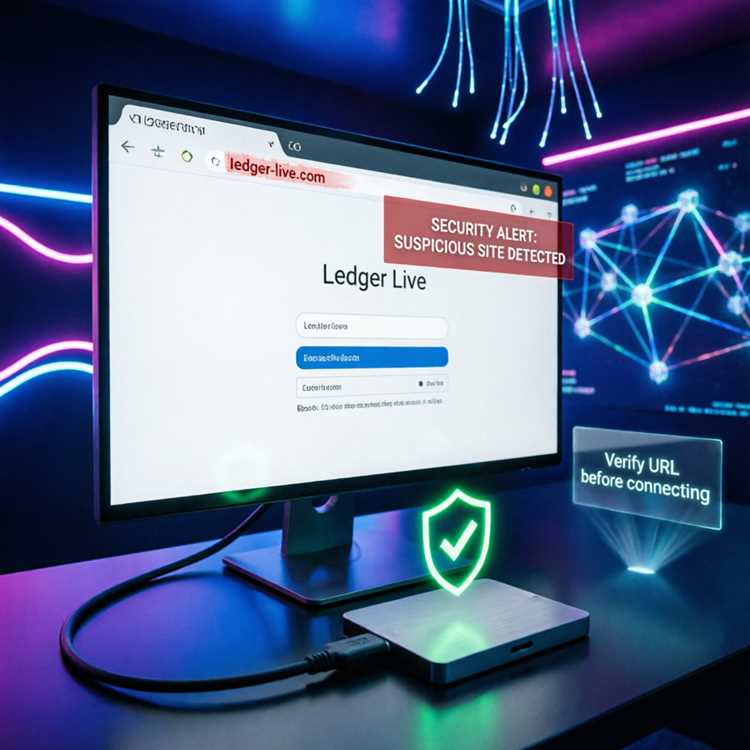
Why Scammers Target Hardware Wallet Owners
Avoid Ledger Phishing Scams: Essential Security Tips remains the top concern for crypto holders who use cold storage. Hardware wallets store private keys offline. This makes them safe from online hacks. Scammers know they cannot break the device itself. Instead they exploit human trust through deceptive messages and fake websites. Understanding their tricks helps you protect your funds. This guide covers all key methods used by attackers and shows you how to stay safe.
How Phishing Messages Try to Fool You
Phishing attempts often arrive as urgent emails or texts. They claim your wallet is locked or your account has a problem. You need to click a link and enter your recovery phrase. No legitimate service asks for your 24 words. Knowing the difference between a legit Ledger email and a fake one is your first defense.
Common Subject Lines Used by Scammers
Attackers use fear tactics in subject lines. Examples include "Your Ledger device has been compromised" or "Action required to secure your funds". A legit Ledger email never threatens account closure. It also never demands immediate action without clear context.
Urgency and Fake Security Alerts
Fake messages create panic. They say you have 24 hours to verify your wallet. This pressure stops you from thinking clearly. A genuine company gives you time to check any request. If you receive a Ledger phishing alert, take a breath and inspect the message before clicking anything.
Checking Sender Addresses Carefully
Scammers spoof email addresses to look real. The sender may show "[email protected]" but the actual domain is different. Always expand the sender field and check the full address. Misspellings like "ledgerr.com" or "Iedger.com" are common tricks.
Spotting Fraudulent Websites That Mimic Ledger
Fake Ledger websites copy the official design perfectly. They use similar logos, colors, and layout. Your goal is to identify subtle differences. Using Ledger official store links from trusted sources avoids this risk entirely.
URL Differences You Must Notice
Check the web address bar. The official domain is "ledger.com". Fraudsters use "Iedger.com" (with a capital I) or "ledger-verify.com". Some add extra words like "secure.ledger.com" with redirects. Bookmark the real site to avoid mistyping.
Fake Pop Ups Asking for Your Seed Phrase
Some fake sites show a pop up saying "Wallet compromised enter recovery phrase". This is a direct scam. No website needs your seed phrase. Your Ledger device signs transactions offline. Never type your 24 words on any webpage.
How to Verify a Website Before Entering Data
Use a bookmark you created yourself. Check the connection is HTTPS with a valid certificate. Hover over any link to see the true destination. Visiting Ledger Nano S Plus review pages on trusted blogs also provides safe navigation paths.
Legitimate Ledger Emails What They Look Like
A legit Ledger email comes from a verified address. It usually confirms a purchase or an order update. It never asks for your recovery phrase or PIN code. Recognizing safe emails reduces your risk of falling for fraud.
Email Content Markers of Authenticity
Real emails use your name and order number. They do not contain generic greetings like "Dear customer". They also do not include links that ask you to download software. Any email pushing you to update firmware through a link should raise suspicion. Use Ledger security patch instructions from the official app instead.
Attachments and Suspicious Downloads
Legitimate companies do not send .zip files or PDF attachments claiming to be security updates. Opening such files can install malware on your computer. Malware can then replace your wallet address when you paste it. Always ignore attachments from unknown senders.
When to Report a Suspicious Email
If you receive a Ledger phishing alert, forward it to the official support team. Do not click any links. Mark the message as spam in your email client. Reporting helps protect other users from the same scam.
Using Ledger Live for Safe Asset Management
Ledger Live is the official companion app for your device. It handles transactions, firmware updates, and balance checks. Using this app directly avoids the need to visit third party websites. Combine this with Ledger Live staking features to earn rewards securely.
Downloading Ledger Live from the Right Source
Only download Ledger Live from the official ledger.com website. Do not use app stores that may host fake versions. Scammers create fake Ledger Live apps that steal your credentials. Verify the download link against a known bookmark.
Verifying Transaction Details on the Device Screen
Always confirm the amount and address on your Ledger device screen before signing. Malware on your computer can show a correct address but send funds elsewhere. Your device displays the true destination. This confirmation step is vital for Ledger phishing scam protection.
Keeping Ledger Live Updated Automatically
Enable automatic updates within the app. Staying current with Ledger security patch releases closes known vulnerabilities. Scammers exploit outdated software to inject malicious code. Updates fix these holes.
Protecting Your 24 Word Recovery Phrase
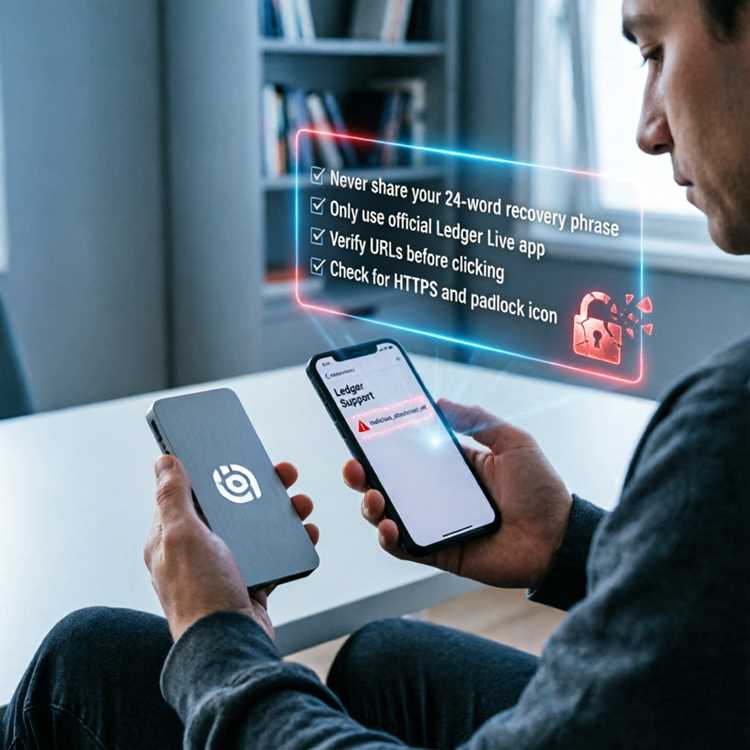
Your recovery phrase is the master key to all your crypto. If someone gets these 12 or 24 words, they can control your funds. Protecting this phrase is at the core of Ledger phishing scam protection. Never store it digitally or share it with anyone.
Safe Storage Methods for Your Seed Phrase
- Write the words on paper provided with your device.
- Store the paper in a fireproof safe.
- Use a metal engraving plate for extra durability.
- Never take a photo or screenshot of the phrase.
- Avoid typing it into any app or website.
What to Do If Someone Asks for Your Phrase
If a caller or email asks for your recovery phrase, stop communication immediately. This includes anyone claiming to be Ledger support. Legitimate staff never request this information. Report the contact to the official support team.
Using a Passphrase for Extra Security
Ledger devices support a passphrase feature. This adds a 25th word to your recovery phrase. Even if someone steals your 24 words, they cannot access your funds without the passphrase. Set this up through the device settings menu.
Handling Unexpected Requests and Messages

You might receive direct messages on social media or Telegram. Strangers offer help or claim your wallet is compromised. These are social engineering attempts. Knowing how to respond is part of Ledger phishing scam protection.
Phone Calls Claiming to Be Ledger Support
Ledger does not make unsolicited phone calls. If you get a call from someone saying your account has a problem, hang up. They may try to convince you to install remote access software. This gives them control of your computer.
Fake Giveaways and Promotions
Scammers announce fake giveaways that require you to send crypto first. "Send 1 ETH to receive 2 ETH" is a classic trick. No legitimate promotion asks for upfront payment. Verify any promotion through Ledger promo pages on the official website.
Impersonation on Social Media Platforms
Fake accounts use official logos and names. They reply to posts offering help. Always check the account verification badge. Direct message only if you initiated contact through a trusted channel.
Updating Firmware Without Falling for Scams
Firmware updates improve security and add new features. However, scammers create fake update prompts on dodgy websites. Always update through Ledger Live. This ensures you receive legitimate Ledger security patch files.
Step by Step Safe Update Process
- Open Ledger Live on your computer.
- Connect your Ledger device via USB cable.
- Unlock the device with your PIN.
- Go to Settings and check for updates.
- If an update is available, follow on screen instructions.
- Confirm the update on your device when prompted.
- Do not disconnect during the process.
- After completion, verify the firmware version matches Ledger's latest release.
Risks of Third Party Update Tools
Some websites offer to update your firmware for a fee. These tools often contain malware. They can steal your recovery phrase during the process. Only use Ledger Live or direct downloads from the official site.
Comparing Security Layers for Different Threats
Understanding various attack types helps you prioritize protections. The table below shows common phishing methods and your best defenses.
| Threat Type | How It Works | Best Defense |
|---|---|---|
| Email phishing | Fake email with urgent request | Check sender address and links |
| Fake website | Copies official site design | Bookmark real URL only |
| Social media scam | Impersonates support staff | Verify through official channels |
| Malware attack | Installs keylogger via fake attachment | Use device screen for confirmation |
| Recovery phrase trick | Asks to restore in fake app | Never share 24 words |
Replacing a Compromised Device Safely
If you suspect your device has been tampered with, consider replacing it. Contact support through verified channels. Do not trust random guides that ask for your recovery phrase. Using Ledger device replacement instructions from the official site is the only safe path.
When You Should Replace Your Ledger Device
- If you ever entered your recovery phrase into a website.
- If your device shows signs of physical tampering.
- If you received a used device from a third party vendor.
- If you suspect malware captured your PIN during entry.
Transferring Funds to a New Device
Order a new device from Ledger official store to ensure authenticity. Set it up with a fresh recovery phrase. Then send your crypto from the old wallet to the new addresses. Never reuse the old recovery phrase on the new device.
FAQ Common Questions about Ledger Phishing Scams
What is the most common phishing scam for Ledger users? Fake emails claiming your wallet is compromised are most common. They include a link to a fake website that steals your phrase.
Can a fake Ledger website infect my computer? Some fake sites can trigger downloads of malware. Running those files infects your system. Always use Ledger Live for operations.
How do I know if an email from Ledger is real? Check the sender domain for exact spelling. Real emails use your name and reference past orders. They never ask for your recovery phrase.
What should I do if I clicked a phishing link? Disconnect your computer from the internet. Scan for malware using trusted software. If you entered your phrase, transfer funds to a new wallet immediately.
Is Ledger DeFi security affected by phishing? Phishing can compromise any platform where you interact. Use Ledger DeFi security guidelines to connect safely to decentralized apps.
Can I use my Ledger with a mobile phone safely? Yes, but only through the official Ledger Live mobile app. Pair via Bluetooth only in a trusted environment. Refer to Ledger Nano X Bluetooth mobile setup instructions for best practices.
How often do phishing attacks target Ledger users? These attacks happen daily. Staying aware and following verification steps reduces risk by a large margin.