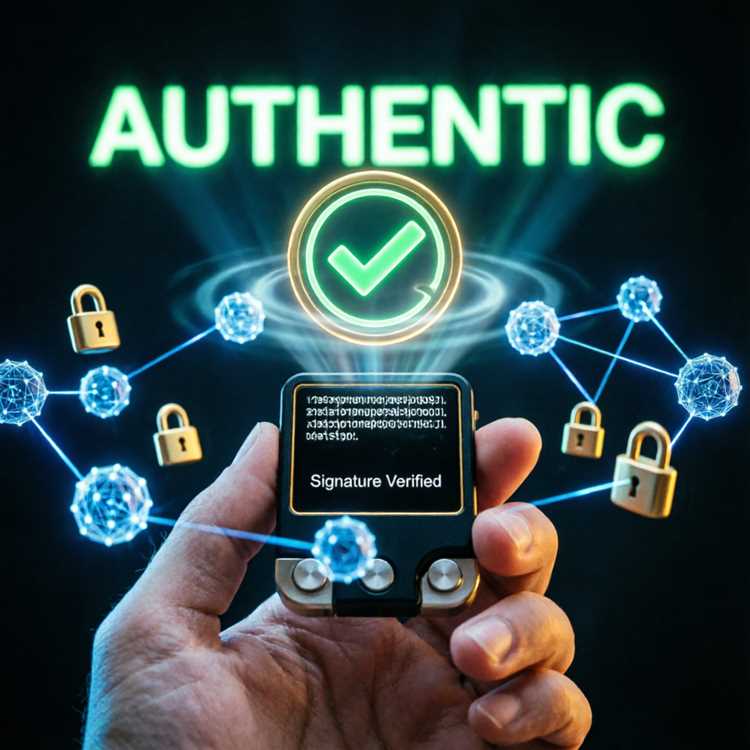
Why Firmware Updates Either Protect or Expose Your Crypto
Keeping your Ledger secure starts with knowing when to update. Skipping a firmware patch can leave your device open to known exploits. Applying updates too fast, however, can expose you to phishing traps. So how do you find the middle ground? Understanding update mechanics is the first step. Each update strengthens the hardware against new attack methods. Therefore, every owner should learn the correct process to keep your Ledger secure: how to update firmware safely without risking assets.
The Role of Firmware in Hardware Wallets
Firmware is the low level software running inside your Ledger device. It controls every secure operation from signing transactions to generating keys. Without current firmware, your device cannot use new security features. Hackers often target outdated firmware with physical or remote attacks. Updating closes these security gaps.
Common Risks During Firmware Updates
Updating introduces a brief window where your seed phrase is at risk. Fake update prompts are a common scam. Users who connect to a malicious computer lose funds instantly. Another risk comes from interrupted updates. A power loss during the process can corrupt the device. Always ensure a stable connection before starting.
When to Update and When to Wait
Ledger releases official security patches throughout the year. You should update when a patch fixes a critical vulnerability. Waiting a few days after release is safe. This lets you verify that the update is genuine. Never rush into an update announced through social media or email. Use only the official Ledger Live application for these tasks.
What Exactly Is a Ledger Security Patch and Why Does It Matter?
A Ledger security patch is a small firmware update that fixes a known weakness. It does not change the user interface or add features. Instead, it hardens the device against specific exploit methods. Applying every security patch is crucial because attackers share knowledge quickly. A single unpatched vulnerability can compromise your portfolio. Keeping your Ledger secure: how to update firmware safely means installing patches within a reasonable timeframe. Using the Ledger Live installation guide ensures you apply patches correctly.
Types of Security Patches for Ledger Wallets
Patches fall into three categories. First are critical patches that fix remote code execution risks. Second are moderate patches addressing side channel attacks. Third are minor patches that improve random number generation. All three matter, but critical patches demand faster action.
How Patches Protect Your Private Keys
Your private keys never leave the secure element chip. However, firmware controls how the chip processes commands. A flaw in firmware could let an attacker extract key material through repeated queries. Patches block these query pathways. They also update the cryptographic libraries inside the chip.
Verifying Patch Authenticity Before Installation
Ledger signs every firmware update with a cryptographic key. Ledger Live verifies this signature before allowing installation. Never download firmware from third party websites. If you receive an unsolicited update notification, ignore it. Always start the update process from inside the official Ledger app. This simple habit prevents most phishing attempts. For further protection, review the Ledger phishing alert guide.
Step by Step Guide to Update Ledger Firmware Using Ledger Live
This guide walks you through the entire process. Follow each step exactly to keep your Ledger secure: how to update firmware safely requires patience and caution. Do not skip any verification step. The whole process takes about 10 to 15 minutes. Prepare your device by ensuring it has at least 50 percent battery charge for the Nano X.
- Download and install the latest version of Ledger Live from the official ledger.com website.
- Connect your Ledger device to your computer using the original USB cable.
- Unlock your device by entering your PIN code.
- Open Ledger Live and click on the Manager tab.
- Allow the Manager to access your device by confirming on the hardware screen.
- If an update is available, a banner will appear showing the new firmware version.
- Click “Update firmware” and read the on-screen instructions carefully.
- Do not disconnect the device during the update. Wait for the progress bar to reach 100 percent.
- After completion, your device will restart automatically. Verify the new version in Settings.
Preparing Your Computer and Device
Close all other applications before starting. Disable antivirus software temporarily if it blocks the update. Ensure your internet connection is stable. A wired connection is safer than WiFi for this process. Keep your recovery sheet nearby in case you need to restore the device.
What Happens During the Upgrade Process
Ledger Live downloads the update file to your computer first. Then it transfers the data to the device in small encrypted blocks. The secure element verifies each block before writing it to memory. Once all blocks are written, the device runs a self check. If the check passes, the device reboots with the new firmware.
Post Update Verification Steps
After rebooting, open the Ledger Live app again. Check the device dashboard for the new firmware version number. Test a transaction by sending a small amount of crypto. This confirms that the update did not affect transaction signing. If anything looks wrong, restore your device using your seed phrase. For assistance, refer to the avoid fake Ledger tips to ensure you have genuine hardware.
How to Perform a Ledger Live Update Without Losing Access
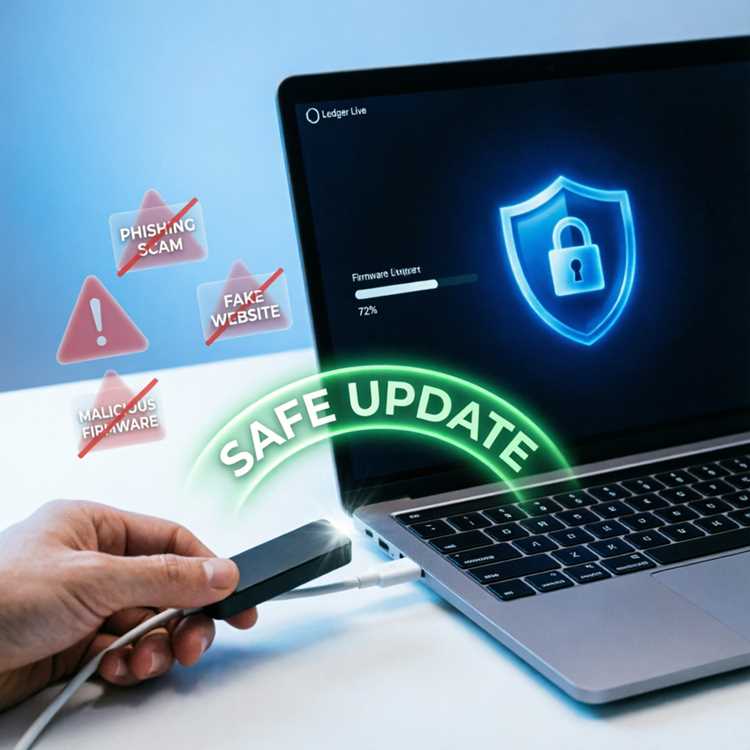
A Ledger Live update is separate from a firmware update. It updates the desktop or mobile application, not the hardware device. However, you need the latest Ledger Live version to install new firmware. Keeping both components updated is part of keeping your Ledger secure: how to update firmware safely depends on having the correct manager app. Ignoring app updates can cause compatibility errors.
Checking Your Current Ledger Live Version
Open Ledger Live and click on Settings. Look for the version number at the bottom of the window. Compare it with the latest version listed on the Ledger website. If your version is outdated, download the new installer from the official site. Do not use third party update prompts.
Installing the Latest Ledger Live Update
Download the installer for your operating system from ledger.com. Run the installer and follow the on-screen prompts. The installer will replace the old application files. Your wallet data and settings will remain intact. After installation, reopen the app and verify that the version number matches the latest release.
Ensuring Compatibility Between Ledger Live and Firmware
New firmware versions often require a matching Ledger Live version. If you update firmware without updating Ledger Live first, the app may not recognize the device. Always update the desktop app before updating the hardware. This sequence avoids communication errors. Using the Ledger mobile wallet also requires the latest app version for firmware syncing.
Common Mistakes That Compromise Security During Firmware Upgrades
Many users make simple errors that endanger their funds. Avoiding these pitfalls is central to keeping your Ledger secure: how to update firmware safely requires knowing what not to do. Each mistake listed below has caused real losses. Learn from others to protect your own holdings.
Downloading Fake Update Tools
Scammers create fake websites that mimic the Ledger download page. These sites offer infected update files. Always type the URL manually or use a bookmark. Never click links from emails or search ads. Verify the SSL certificate of the website before downloading anything.
Using Damaged or Unofficial Cables
The connection cable between your Ledger and computer is important. Damaged cables can interrupt the data transfer. Unofficial cables may not support data communication properly. Use only the cable that came with your device. If you lose it, buy a replacement directly from the Ledger store.
Ignoring Backup Seed Phrase Requirements
Some firmware updates require you to reenter your seed phrase afterward. If you lose your device during the update, you need a backup. Store your recovery sheet in a secure location before starting. Do not type your seed phrase into any computer or phone. Only enter it directly on the Ledger device screen. You can check current pricing on a replacement device via the Ledger Nano S Plus price page.
How to Verify Your Ledger Remains Secure After Every Update
Verification is the final step after any firmware upgrade. Confirming that your device is safe gives you peace of mind. This process involves checking several security indicators. Making verification a habit is part of keeping your Ledger secure: how to update firmware safely ends with a thorough check. Do not assume the update worked correctly.
Checking the Firmware Version in Device Settings
On your Ledger device, go to Settings and then General. Select “About” to see the current firmware version. Compare this number with the version announced by Ledger. If they match, the update succeeded. If not, repeat the update process immediately.
Performing a Test Transaction
Send a small amount of cryptocurrency to a test address. Verify that the transaction signs correctly on the device screen. Confirm that the receiving address matches what you see on your computer. This test proves that the signing mechanism works after the update. Failed transactions indicate a problem that needs troubleshooting.
Reviewing Device Security Settings
After an update, some security settings may reset to defaults. Check that your PIN code is still active. Verify that passphrase settings are configured as you prefer. Ensure that Bluetooth is disabled if you do not use it. These settings affect your overall security posture. For large portfolios, review the Ledger portfolio management guide for more storage tips.
Can You Update Firmware Without a Computer Using Mobile?
Mobile users often ask if they can update firmware directly from their phone. The answer is yes, but with limitations. The Ledger Live mobile app can initiate firmware updates on some devices. Understanding the mobile process contributes to keeping your Ledger secure: how to update firmware safely applies to mobile too. However, mobile updates carry extra risks.
Requirements for Mobile Firmware Updates
You need a Ledger Nano X or Ledger Stax device for mobile updates. These models support Bluetooth connections. The Nano S Plus does not have Bluetooth, so it requires a computer. Your phone must have the latest Ledger Live app installed. Ensure your phone has at least 50 percent battery before starting.
Step by Step Mobile Update Process
Open the Ledger Live app on your phone. Connect to your device via Bluetooth. Navigate to the Manager section. If an update is available, tap “Update now.” Keep your phone close to the device throughout the process. Do not switch apps or lock the screen. Wait for the confirmation message on both screens.
Risks Specific to Mobile Updates
Mobile updates are more vulnerable to interruption. A phone call or notification can disrupt the connection. Bluetooth connections are also less stable than wired USB. Some users prefer using a computer for critical updates. For routine patches, mobile updates are convenient. Check the Ledger Live staking page for more mobile friendly features.
What to Do If Your Firmware Update Fails Mid Process
Update failures happen for various reasons. Power loss, cable disconnection, or software bugs can interrupt the process. Knowing recovery steps is essential for keeping your Ledger secure: how to update firmware safely includes handling emergencies. Do not panic. Most failures are recoverable without losing funds.
Immediate Steps After a Failed Update
Do not disconnect the device yet. Close Ledger Live and reopen it. The app will detect the incomplete update and offer to retry. If this does not work, restart your computer and try again. Ensure the cable is firmly connected at both ends.
Using Recovery Mode to Restore the Device
If the device becomes unresponsive, put it into recovery mode. Hold the left button while plugging in the USB cable. The device will show a menu for recovery options. Use Ledger Live to flash the firmware again from scratch. This process overwrites the corrupted data.
When to Restore Using Your Seed Phrase
If recovery mode fails, you need to restore the device entirely. Enter your 24 word seed phrase directly on the device. This returns the device to its original state with all your accounts. Then attempt the firmware update again using a different computer if possible. Ordering a backup device with Ledger free shipping can reduce downtime.
Comparison of Firmware Update Methods for Different Ledger Models
Different Ledger models have different update procedures. Knowing these differences helps you choose the safest method. This comparison supports keeping your Ledger secure: how to update firmware safely varies by device. The table below outlines the key differences.
| Model | Connection Type | Update Method | Update Time | Mobile Support |
|---|---|---|---|---|
| Nano S | USB only | Ledger Live desktop | 5 to 8 minutes | No |
| Nano S Plus | USB only | Ledger Live desktop | 6 to 10 minutes | No |
| Nano X | USB or Bluetooth | Ledger Live desktop or mobile | 8 to 12 minutes | Yes |
| Stax | USB or Bluetooth | Ledger Live desktop or mobile | 10 to 15 minutes | Yes |
Frequently Asked Questions About Keeping Your Ledger Secure Through Updates
This section answers common user questions. Each answer focuses on practical advice for maintaining security. Read through these points to reinforce your understanding. The goal is to empower you with correct information.
How often should I update my Ledger firmware?
Update only when a critical security patch is released. Checking once a month is sufficient for most users. Avoid updating for minor feature changes. Let other users test the update first.
Can I use a public computer to update my Ledger?
No. Public computers may have keyloggers or malware. Only use your personal trusted computer. If you must use another computer, restore your device afterward with your seed phrase.
What if my device shows an error after updating?
First, restart both the device and computer. If the error persists, reinstall Ledger Live. As a last resort, reset the device and restore from seed. Contact Ledger support if none of these steps work.
Do updates erase my cryptocurrency balance?
No. Your crypto lives on the blockchain, not on the device. The device only holds your private keys. Updating firmware does not delete keys unless you explicitly reset the device. Your balances remain intact.
For ongoing safety, always follow the official Ledger channels. Do not trust third party instructions. By sticking to verified procedures, you achieve true security. Keep your Ledger secure: how to update firmware safely is a skill every owner must master. Apply these steps consistently to protect your digital assets.