What Does Multi Chain Support Really Mean for Your Portfolio?
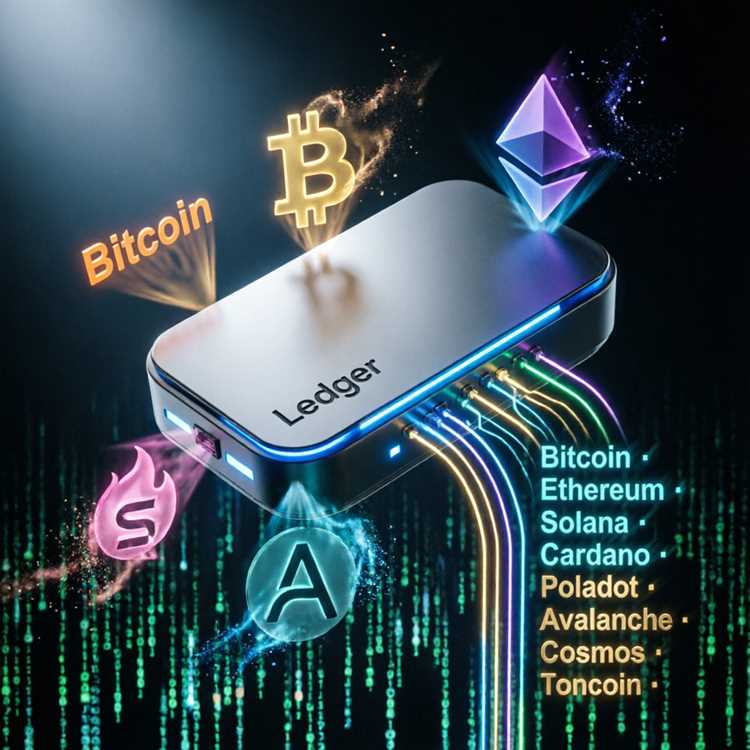
Managing digital assets across different blockchains can feel complex. Ledger simplifies this process by supporting hundreds of coins and tokens. This section explains how Ledger handles multiple chains and tokens in one place.
Primarily, Ledger works with major blockchains like Bitcoin, Ethereum, Binance Smart Chain, and Solana. Each blockchain has its own type of native coin and tokens. Ledger supported coins include both these native assets and the tokens built on top of them.
Understanding Blockchains vs Tokens
A blockchain has its own native currency, like BTC for Bitcoin or ETH for Ethereum. Tokens are built on existing blockchains. For example, USDT is a token on Ethereum. Ledger supports both native coins and tokens within its app.
The Role of Ledger Live App
Ledger Live acts as the main hub. It connects your device to the blockchain. You manage your assets through this app. It shows your balance, supports transactions, and handles token updates. Using Ledger Live installation guide helps you get started quickly.
Future Proofing Your Crypto Choices
New blockchains appear every year. Ledger regularly adds support for popular new networks. This keeps your portfolio ready for future trends. Checking the official asset list helps you plan ahead.
Bitcoin and Its Forked Variants on Ledger
Bitcoin remains the most common cryptocurrency. Ledger supports Bitcoin along with several of its forks. These include Bitcoin Cash, Litecoin, and others. Understanding each variant helps you manage your holdings correctly.
Cryptocurrencies supported by Ledger in the Bitcoin family include native coins and sidechain tokens. Each fork has its own address format and transaction rules. Ledger handles these differences automatically.
Bitcoin Core Support
Ledger supports Bitcoin with SegWit and Legacy addresses. You can send and receive BTC easily. The device signs transactions offline. This keeps your private keys away from internet threats. Hardware wallet security features protect Bitcoin transactions from malware.
Beyond Bitcoin: Forks and Sidechains
Common forks like Bitcoin Cash and Litecoin work on Ledger. Other coins like Dogecoin and Dash are also supported. Each fork uses a different blockchain. Ledger stores their private keys separately. You can manage all of them from one device.
Privacy Coins Like Monero and Zcash
Privacy coins offer hidden transaction details. Monero and Zcash are supported on Ledger. These coins require extra steps to set up. Using a Ledger device keeps your privacy coin keys safe. Always verify the correct app version for these assets.
Ethereum and All ERC 20 Tokens
Ethereum holds the largest ecosystem of tokens. Ledger supports ETH and thousands of ERC 20 tokens. This includes stablecoins, DeFi tokens, and NFTs. The Ledger Live app automatically detects many of these tokens.
Ledger compatible tokens cover almost the entire Ethereum ecosystem. From USDC to UNI, you can store them on a single device. Adding a token often requires just one click inside the app. Manage multiple coins on Ledger efficiently with this feature.
Full Ethereum Ecosystem Coverage
Ledger supports ETH for transactions and staking. ERC 20 tokens follow the same network rules. ERC 721 NFTs also work on Ledger. Keeping all Ethereum based assets on one device simplifies management.
Managing Gas Fees and Network Settings
Gas fees change based on network congestion. Ledger Live shows current gas prices. You can adjust transaction speed and cost. This helps you avoid overpaying for transfers.
Layer 2 Solutions and Optimism
Ethereum Layer 2 networks reduce fees and speed up transactions. Ledger supports Optimism, Arbitrum, and Polygon. These networks use their own address format. Ledger recognizes them inside the app. Sending funds to L2 chains requires the correct network selection.
Binance Smart Chain and BEP 20 Assets
Binance Smart Chain offers low cost transactions. Ledger supports BNB and BEP 20 tokens. These include popular projects from the Binance ecosystem. Managing them is similar to ERC 20 tokens.
Ledger asset list for BSC includes hundreds of tokens. You can add custom token addresses manually. The device verifies each transaction on the BSC network. Ledger Nano X features make managing BSC assets easy with Bluetooth connectivity.
BNB and BEP 20 Tokens
BNB is the native coin of Binance Smart Chain. BEP 20 tokens run on top of it. Adding a token requires its contract address. Ledger Live displays your balance once added. Transaction fees are paid in BNB.
Cross Chain Compatibility with Binance Bridge
Binance Bridge moves assets between chains. You can send tokens from Ethereum to BSC. Ledger supports the resulting BEP 20 tokens. Always verify the bridge address before sending. This prevents loss of funds.
Staking BNB on Ledger
BNB staking rewards are available through Ledger Live. You delegate your BNB to a validator. Rewards accumulate over time. Your keys stay offline during the process. This combines earning with hardware protection.
Solana and the Newer High Speed Chains
Newer blockchains like Solana offer fast transactions. Ledger supports Solana, Avalanche, and Polygon. These chains use different token standards. Each has its own app inside Ledger Live.
High speed chains allow thousands of transactions per second. Ledger supported coins on these networks include native coins and SPL tokens. Managing multiple fast chains from one device saves time and effort.
Solana Native SPL Tokens
Solana uses SPL token standard. Ledger supports SOL and popular SPL tokens like USDC and SRM. Adding them requires installing the Solana app. Your device signs transactions quickly. Sending tokens involves a small SOL fee.
Avalanche C Chain and Subnets
Avalanche C Chain works like Ethereum. It supports ERC 20 compatible tokens. Subnets are custom blockchains within Avalanche. Ledger supports tokens on the main C Chain. Subnet support depends on the specific project.
Polygon and Other Sidechains
Polygon is a popular Ethereum sidechain. It uses MATIC as its native coin. Ledger supports MATIC and Polygon based tokens. Other sidechains like Fantom and Harmony also work. You can switch between networks in Ledger Live. Ledger Stax review highlights its ease of use for managing multiple networks.
Ledger Hardware Models and Their Capacity
Different Ledger models store different numbers of apps. The app count affects how many coins you can use at once. Choosing the right model depends on your portfolio size. Below is a comparison table.
Each model supports the full range of Ledger supported coins. However, storage space limits how many apps can be installed simultaneously. You can install and remove apps as needed.
| Model | Max Apps Installed | Price (USD) | Key Feature | Best Use Case |
|---|---|---|---|---|
| Ledger Nano S | 3 5 apps | $59 | USB connection, small screen | Budget friendly for a few coins |
| Ledger Nano X | 30+ apps | $149 | Bluetooth, larger screen | Mobile users with many coins |
| Ledger Stax | 30+ apps | $279 | E Ink touch screen, wireless charging | Premium experience, frequent use |
Ledger Nano S vs Nano X vs Stax
The Nano S holds fewer apps. It is ideal for investors with 3 to 5 coins. Nano X supports Bluetooth and holds more apps. Stax offers a modern interface with a curved touch screen. All models support the same security chipset.
Impact of Firmware Updates on Coin Support
Firmware updates add new coin support and fix bugs. Updating your device ensures compatibility with newer blockchains. Ledger security patch releases keep your device protected. Always update through Ledger Live for safety.
Choosing the Right Model for Your Portfolio
Consider your activity level. Active traders may prefer the Nano X or Stax for convenience. Long term holders can use the Nano S. Check the official list of supported coins before buying. Buy Ledger wallet online from trusted sources to avoid counterfeits.
Staking Earning and DeFi via Ledger
Staking lets you earn rewards on your coins. Ledger supports staking for Proof of Stake networks. You delegate your assets to a validator. Rewards are distributed automatically. Your keys remain offline during staking.
Cryptocurrencies supported by Ledger for staking include Tezos, Cosmos, Polkadot, and Solana. Each network has different staking rules. Ledger Live gives you access to staking pools directly.
Proof of Stake Assets Supported
Tezos, Cosmos, and Polkadot are major staking coins. Each requires a specific app on your Ledger. You select a validator through Ledger Live. Rewards appear in your account regularly. Unstaking times vary by network.
Earning Rewards Without Third Party Risks
Staking through Ledger keeps your private keys offline. The validator cannot steal your funds. This reduces risk compared to exchange staking. Ledger only signs delegation transactions. Your coins stay under your control.
Integrating with DeFi Protocols
DeFi protocols like Uniswap and Aave work with Ledger. You connect your device via MetaMask. Transactions require physical approval on the Ledger. This adds a security layer for DeFi activities. Using a Ledger device prevents unauthorized DeFi interactions.
Non Fungible Tokens and NFT Storage on Ledger
NFTs are unique digital assets. Ledger supports storing NFTs from Ethereum, Polygon, and Solana. You can view and transfer them through Ledger Live. The device signs transactions for NFT sales.
Ledger compatible tokens include ERC 721 and ERC 1155 standards. These represent collectibles, art, and in game items. Your NFT metadata stays on the blockchain. Ledger only stores the private key.
Supporting ERC 721 and ERC 1155 Standards
ERC 721 is the standard for unique NFTs. ERC 1155 supports batches of tokens. Ledger recognizes both types. You can send and receive NFTs like regular tokens. Always verify the contract address before any transfer.
Viewing and Transferring NFTs in Ledger Live
Ledger Live shows your NFT collection. You can see images and metadata. Transferring an NFT requires signing a transaction. Gas fees apply on Ethereum based networks. Solana NFTs have lower fees. Ledger promo offers occasionally include discount codes for devices.
Security Considerations for High Value NFTs
High value NFTs attract hackers. Using a Ledger device reduces this risk. Never share your seed phrase with anyone. Double check recipient addresses for NFT transfers. Scammers often target NFT owners with phishing links.
Maintaining Security Through Regular Updates
Security relies on keeping your device updated. Ledger releases firmware updates regularly. These patches fix vulnerabilities and add new coin support. Updating takes a few minutes through Ledger Live.
Hardware wallet security features only work if the device runs the latest software. Outdated firmware may miss important fixes. Schedule updates every few months for best protection.
Why Firmware Updates Matter for Coin Support
New blockchains require code changes. Updates enable support for new networks. For example, adding Solana support required a firmware update. Skipping updates may prevent access to newer coins. Always read update notes before proceeding.
How to Update Your Ledger Device Safely
Open Ledger Live and connect your device. Click on Manager and check for updates. Follow the on screen instructions. Never download firmware from third party websites. Official updates only come through Ledger Live.
Recognizing Phishing Attempts Targeting Ledger Users
Phishing emails ask for your seed phrase. Legitimate Ledger support never asks for it. Fake websites mimic the official store. Always verify the URL before entering any information. Report suspicious messages to Ledger support. Ledger Live installation guide includes steps to verify the app authenticity.
Frequently Asked Questions About Ledger Supported Coins
This section answers common questions about coin compatibility. Use the information to manage your assets confidently.
How do I add a new cryptocurrency to my Ledger?
Open Ledger Live and go to Manager. Search for the coin name. Install the corresponding app on your device. The coin appears in your portfolio after installation.
Can Ledger hold coins from every blockchain?
No, but Ledger supports over 100 blockchains. Major ones like Bitcoin, Ethereum, Solana, and BSC are included. Lesser known chains may not have support. Check the official asset list for updates.
What happens if Ledger stops supporting a coin?
Your coins remain on the blockchain. The Ledger device still holds the private key. However, you may need another wallet to manage them. Offline storage is not affected by software changes.
Does Ledger support dogecoin or other meme coins?
Yes, Ledger supports Dogecoin, Shiba Inu, and other meme coins. Each has its own app. You can store, send, and receive them like any other asset. Check the Ledger Live manager for availability.